
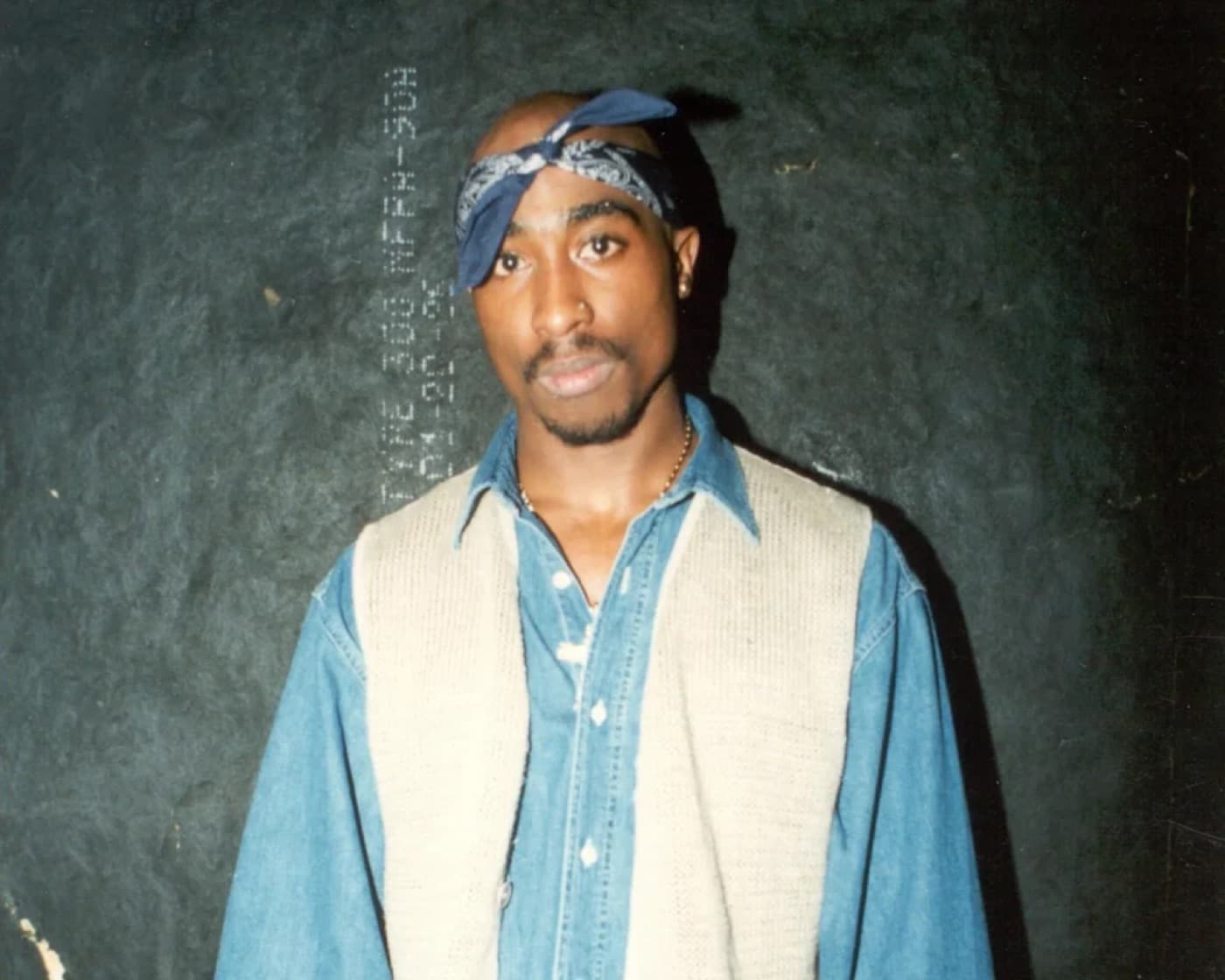
A murder trial nearly 30 years in the making opened Monday in Las Vegas, where Duane Keffe D Davis, 63, a former gang leader, stands accused of orchestrating the drive by shooting that killed Tupac Shakur on September 7, 1996. A jury of six men and 10 women will hear the case, with Davis having pleaded not guilty.
Prosecutors Binu Palal and Marc DiGiacomo laid out their theory plainly, describing Davis as the on the ground, on site commander of the effort to kill Tupac. Their account ties the shooting to retaliation, alleging it followed Shakur's entourage beating Davis's nephew, Orlando Baby Lane Anderson, at the Mike Tyson versus Bruce Seldon fight earlier that same night.
The case leans heavily on evidence assembled over decades. Davis's own 2019 memoir, in which he acknowledged involvement, forms a central piece of the prosecution's case, alongside video footage of Anderson being beaten by Shakur's entourage. Davis is also the only living witness who was in the vehicle the shots were fired from, eight shots in total, fired at Shakur's car in an attack he did not survive, dying days later from his injuries.
Testimony from the original investigation has resurfaced the long silence that followed the shooting. Officer Garry Dale recalled Shakur refusing to name his assailants in the moments after the attack, telling him, No, we'll take care of it. Witness Ingrid Stokes described hearing the gunshots and the chaos that followed without ever seeing the shooter, while Detective Brent Becker testified that investigators at the time lacked credible witnesses willing to come forward, a gap that helped keep the case unresolved for decades.
Defense attorney Michael Sanft is leaning on that same gap, arguing there is insufficient evidence three decades on and questioning the credibility of the investigators building the case against his client. With the trial now underway, the outcome will decide whether one of hip hop's most enduring unsolved killings finally gets a verdict.