
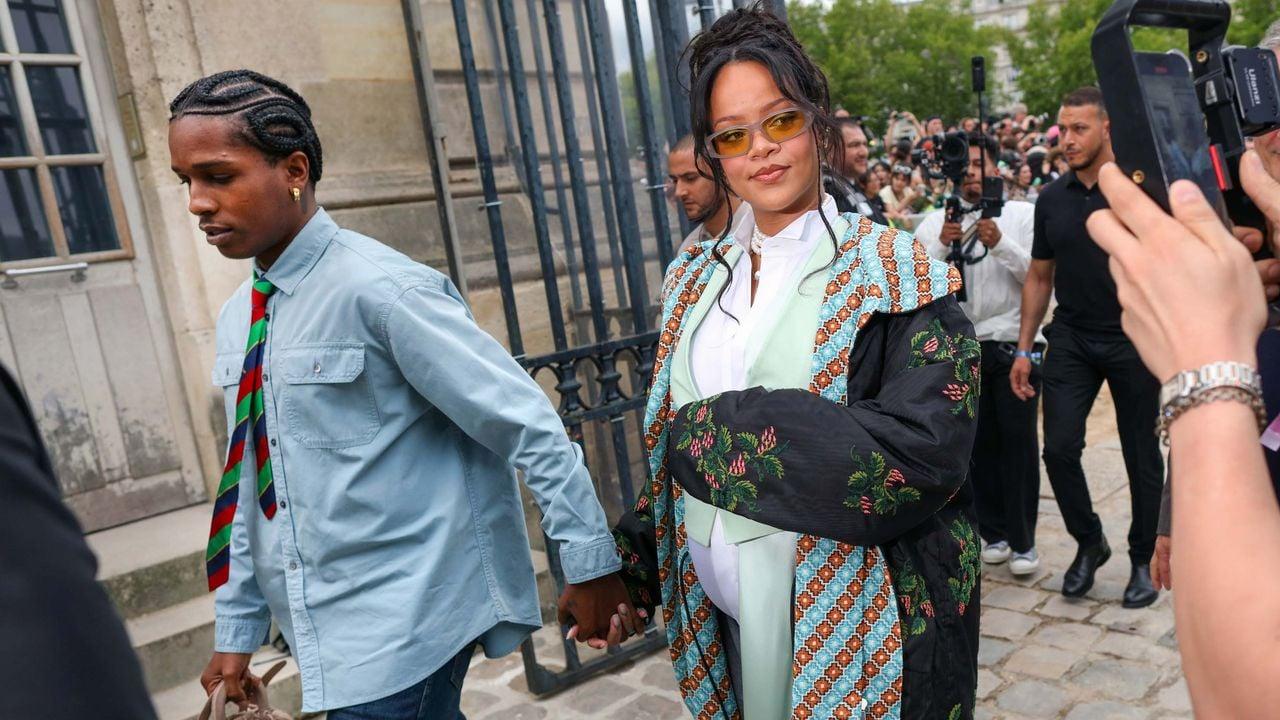
Some musicians do not just dominate charts and playlists. They also shape the way the rest of us think about getting dressed. In between tour dates, studio sessions and red carpets, the most stylish artists treat ordinary city sidewalks as runways, turning airport arrivals, coffee runs and fashion week exits into moments worth remembering.
Their approach is useful for anyone who wants to look more intentional without looking overstyled. The lessons are surprisingly simple: know your silhouette, commit to a mood, and never underestimate the power of one bold choice.
Start with one statement piece
The best-dressed musicians rarely build an outfit from competing headlines. Instead, they choose one element to own the look. It might be an oversized vintage leather jacket, a pair of sculptural boots, or a single piece of jewelry that catches the light. Everything else plays backup.
This discipline keeps a look from feeling like costume. A sequined trouser works with a plain white tank. A dramatic coat reads better over jeans and a fitted T-shirt. The statement piece gets the attention it deserves because the rest of the outfit knows when to stay quiet.
Fit is everything
Whether the silhouette is baggy, tailored, or somewhere between, the pieces that stand out on the street share one quality: they fit on purpose. Oversized does not mean accidentally large. Cropped does not mean shrunken. The musicians who get it right wear clothes that look chosen, not inherited.
A good tailor can make an affordable blazer look expensive, while an ill-fitting designer piece can look borrowed. Paying attention to where a shoulder sits, where a hem falls, and how fabric moves when you walk is what separates stylish from merely dressed.
Accessorize like you mean it
Hats, sunglasses, scarves and bags are not afterthoughts in the best street style. They are the tools that finish a story. A narrow scarf tucked into a coat collar can give a simple outfit a 1970s rock mood. A baseball cap worn with a tailored suit creates tension that feels modern rather than sloppy.
The key is intentionality. One strong accessory is usually enough. Two can work if they share a color or texture. Three starts to look like a collection rather than a look.