
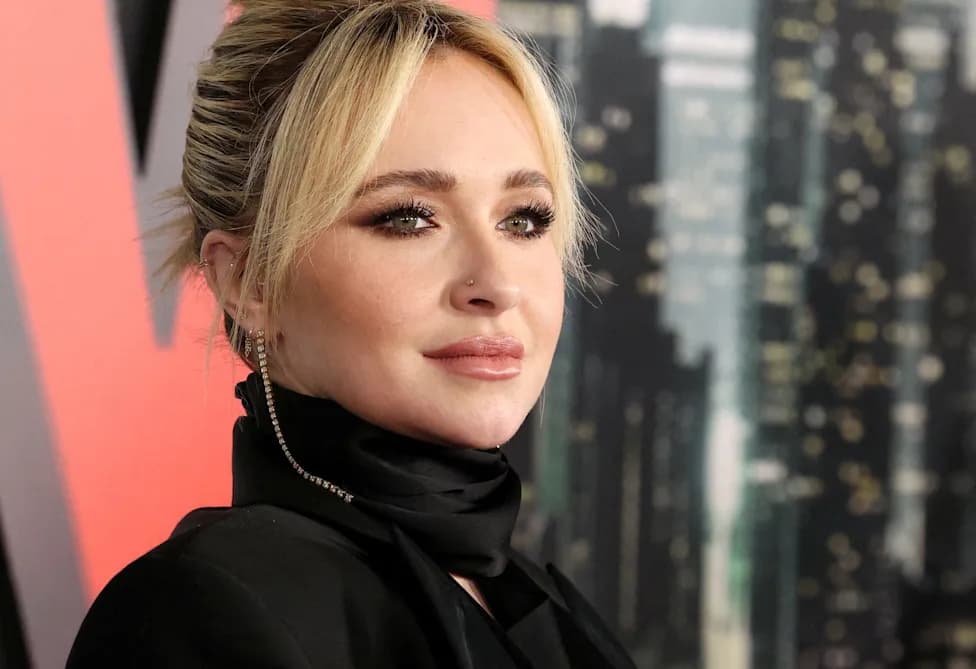
Hayden Panettiere died on August 16 at age 36, found in cardiac arrest at a residence in Greenville, South Carolina. Investigators have said there were no signs of foul play, and a cause of death is still pending further study. Just weeks earlier, in July, she had sat for one of the most unguarded interviews of her career, a cover story for the parenting magazine Momé built around a single idea: that she never stopped choosing her daughter, even when choosing her meant stepping back.
A birth that nearly killed her
The interview traced back to 2014, when Panettiere gave birth to Kaya, her daughter with the former boxer Wladimir Klitschko. The delivery went badly wrong. She needed seven blood transfusions and three hours of surgery to survive it. In the Momé interview, she described what came after that ordeal as its own kind of shock, one nobody had prepared her for.
"I had always heard that moms feel an instant rush of love, but I didn't, and I had no idea why," she said, describing the numbness she felt looking at her newborn. That disconnect, she explained, was the start of a period she spent years trying to understand and move past.
Depression, drinking, and a decision most parents never have to make
What followed the birth was postpartum depression and a struggle with alcohol that Panettiere had spoken about in pieces over the years, but rarely with this much detail. By the time Kaya was two, she made the decision to give Klitschko full custody, a choice she framed in the interview not as giving up but as recognizing what her daughter needed most: a stable home while her mother got well.
She was candid about the shame that decision carried for a long time, and about the work of forgiving herself for it. Getting sober and getting help, she said, were the only path back to being the kind of parent she wanted Kaya to know.
No regrets, and a bond she said never broke
What stood out most in the interview was the absence of regret. Panettiere said she and Kaya, now 11, talk constantly and remain close despite the distance the custody arrangement created.
"I love my daughter, and I'm so proud of the young woman she is becoming. I talk to her all the time, and I feel so connected to her," she said.
Read in hindsight, the interview plays less like a career retrospective and more like a mother making sure her side of the story was on record: not a version of events where she disappeared, but one where every hard choice was still, in her words, a way of choosing her daughter.