
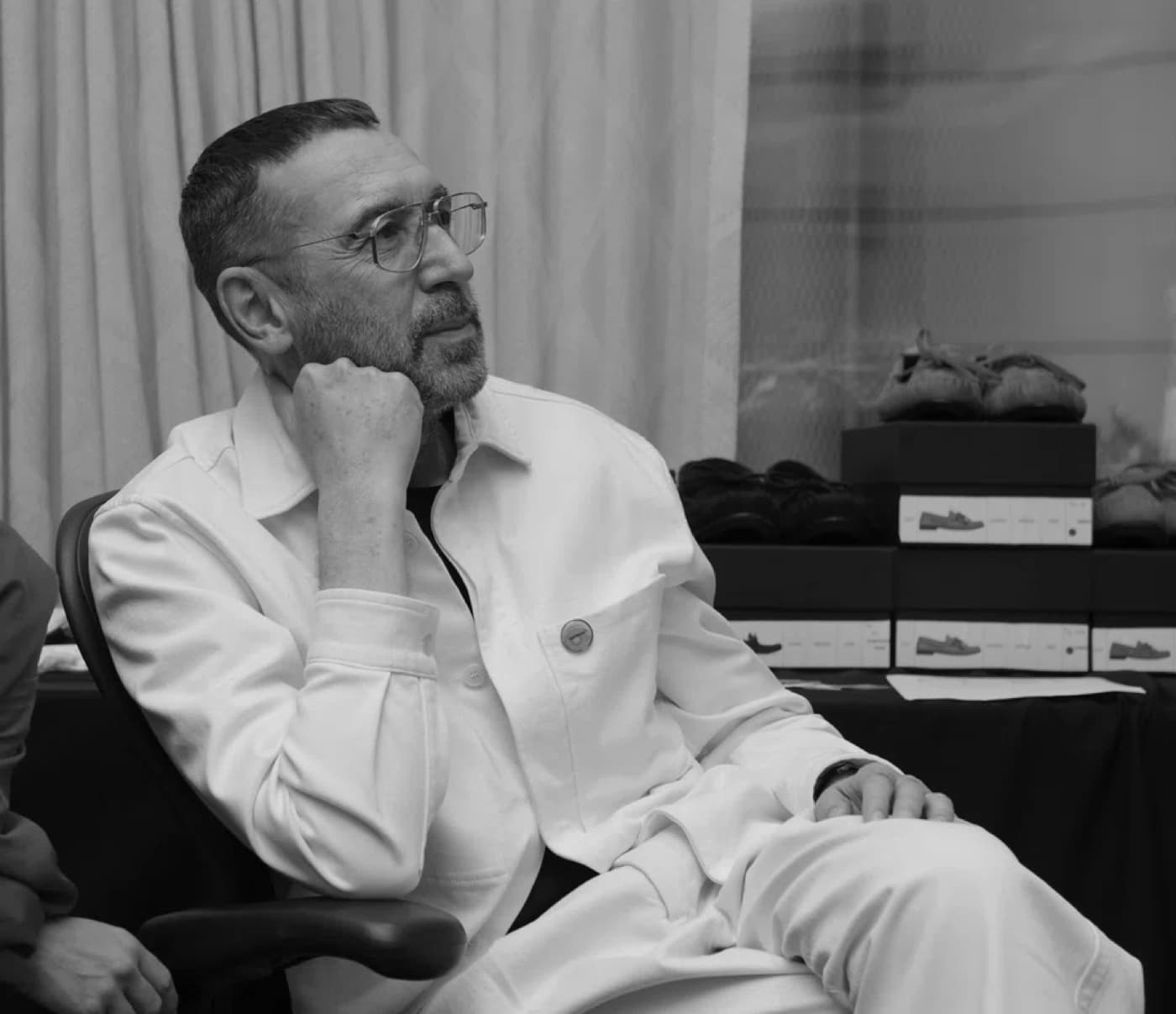
Alessandro Sartori has been shaping menswear since 1989, when he joined Zegna straight out of design school in his native Biella, Italy. He left in 2011 to become artistic director at Berluti, then returned to Zegna in 2016 as artistic director over the entire brand, a role that has made him one of the most consistent voices in luxury menswear for going on four decades.
What sets Sartori apart is how directly he rejects the idea that his job is about fashion at all. As with hairdressers and make up artists, he has said, designers work touches the human body so we need to be respectful and ensure that people feel like themselves. He treats design closer to a service profession than an art form, building pieces meant to be lived in rather than looked at once on a runway.
That shows up in how he separates his own work from two extremes he sees across the industry. There is classic tailoring, he has explained, and there is experimental tailoring, but there is a beautiful middle ground where you can express a fashion forward point of view while also remembering that the garments you are designing need to be worn by real people. His own pieces lean on lightness and fluidity, built as multifunctional items, a jacket meant to move from a morning meeting into an evening dinner without a wardrobe change in between.
Sartori's approach to sustainability follows the same logic of building things to last rather than to trend. Zegna controls much of its own supply chain, sourcing merino wool from farms it owns or partners with in Australia and processing it through its own mill in Piedmont. We love the idea of having every component of a garment made in house, he has said, describing the company's approach as sheep to shop, real end to end control rather than a marketing phrase.
The results have been recognized well beyond Zegna's own customers. Sartori was named WWD's Menswear Designer of the Year in 2022 and Esquire Spain's Man of the Year in 2023, and he has dressed figures including Tilda Swinton and Daniel Bruhl while collaborating with choreographer Benjamin Millepied outside the world of clothing entirely. For a designer who insists he is not chasing trends, Sartori has spent almost forty years staying exactly as relevant as the industry around him keeps changing.