
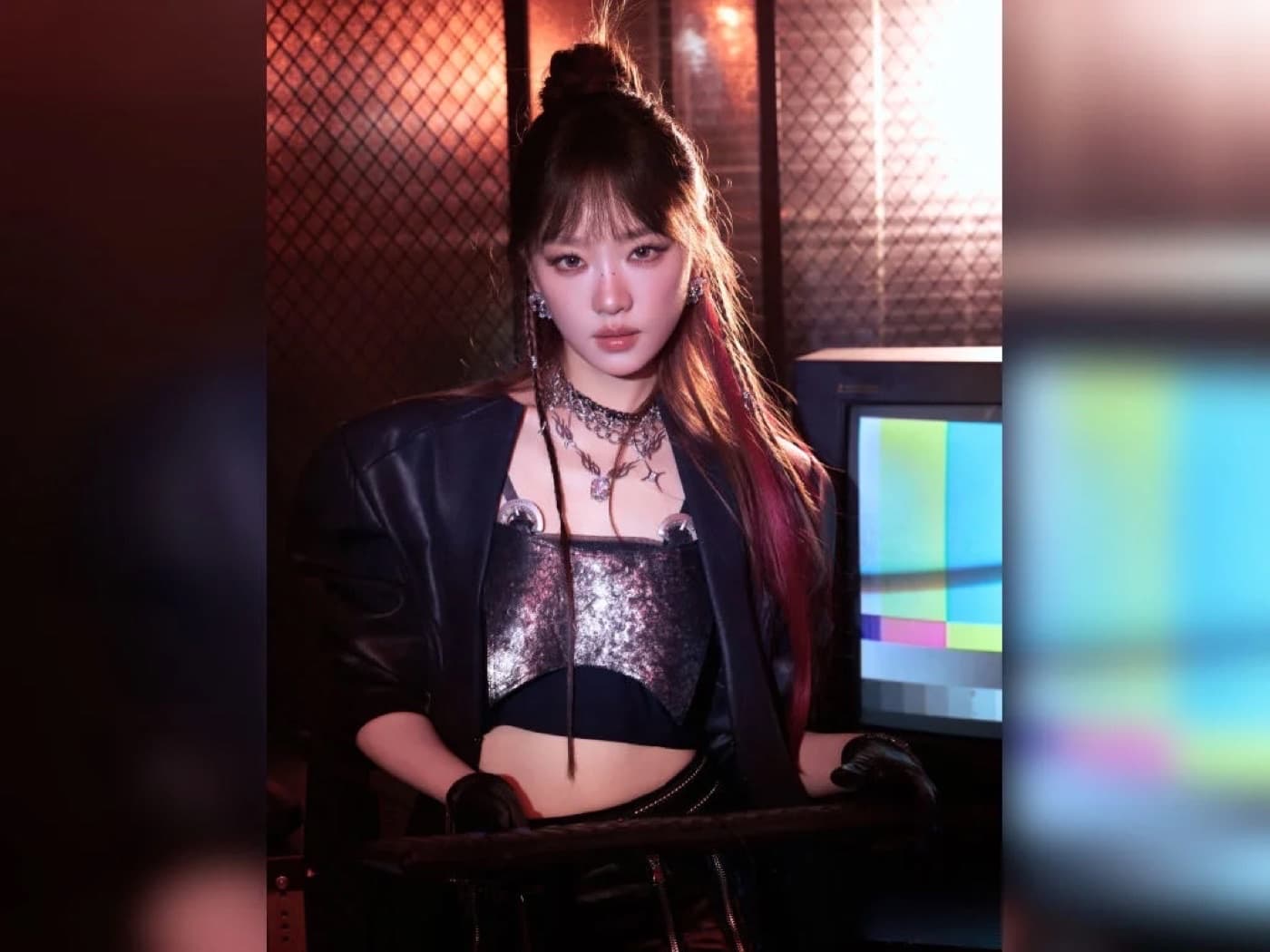
On August 3, a widely followed blogger used AI tools to turn photographs of actress Zhang Yue into a distorted, animal like image, then watched as multiple verified social media accounts shared it with sarcastic captions attached. Her studio responded with a public statement condemning the misuse and promising to defend her.
The team was direct about what happens next. The studio will continue to monitor such infringements and resolutely safeguard Zhang Yue's legitimate rights, the statement read, and will take legal action when necessary. The studio said it does not tolerate behavior that violates portrait rights or damages an artist's reputation through AI generated or maliciously altered content, and called for a more respectful online environment built around goodwill rather than mockery.
Zhang Yue's case is part of a wider pattern moving through Chinese entertainment right now. Since earlier this year, studios representing actors including Gong Jun, Dylan Wang, and Tan Jian Ci have issued similar statements after finding their likenesses used without permission in AI generated videos and images, some circulated on platforms with no authorization at all. Under China's Civil Code, individuals hold a legal right to their own likeness, meaning no one can produce, use, or publicly share someone's image without their consent, a right studios are increasingly willing to enforce in court rather than just in a public statement.
What makes Zhang Yue's situation notable is not the technology itself but how quickly it spread once verified accounts amplified it, turning a single manipulated image into a coordinated pile on within hours. Her studio's response, a direct legal threat rather than a quiet request to take the post down, signals that entertainment companies are done treating AI misuse as a minor nuisance and are starting to treat it as the reputational and legal issue it actually is.