
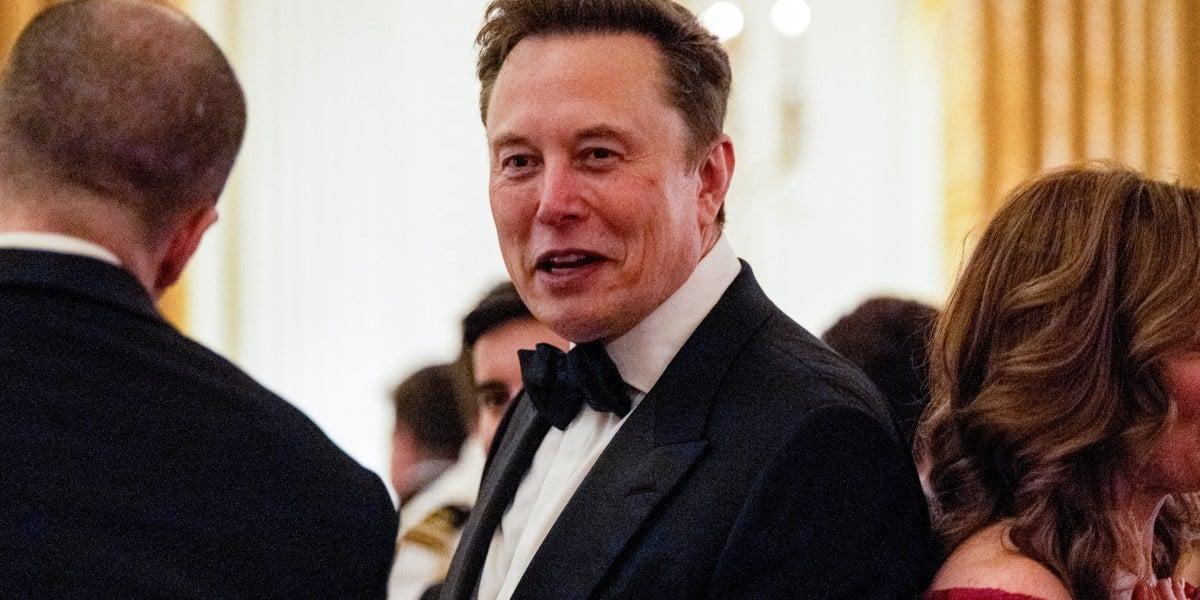
Elon Musk's foundation gave away nearly $400 million in 2025, a large sum that still represented a decline from the record $474 million it donated the year before, according to the foundation's latest tax filing. More than three-quarters of the 2025 total went to another nonprofit Musk founded, highlighting how his philanthropy remains tightly controlled by his own network.
The recipient, called The Foundation, is a nonprofit Musk set up to run a STEM-focused primary and secondary school in Bastrop, Texas, near Austin. The school eventually plans to add a university. It received more than $310 million from the Musk Foundation in 2025, making it by far the largest grant.
Where the rest of the money went
Another $20 million went to a donor-advised fund at Fidelity Charitable, where Musk holds advisory control. Donor-advised funds allow contributors to claim an immediate tax deduction and recommend grants later, though the sponsoring organization legally controls the assets once they are deposited.
That structure has drawn scrutiny from philanthropy experts, who have noted that it can reduce a donor's tax bill without quickly moving money to working charities. Musk has used similar vehicles before, and critics have questioned whether the arrangement speeds help to communities or simply delays it.
Additional gifts went to Memphis-area organizations, where xAI, the artificial intelligence company Musk founded and SpaceX acquired earlier this year, operates the Colossus data centers it is racing to expand. Slingshot Memphis, which measures the effectiveness of poverty-fighting programs, received $5.9 million. Regional One Health Foundation, which supports patient care, received $9.4 million.
Giving grew while payouts stayed low relative to assets
Even as distributions fell from the 2024 peak, the Musk Foundation's assets grew by more than $1 billion to about $16 billion, helped by a $64 million gift of Tesla shares. That makes it one of the largest private foundations in the world.
Private foundations are generally required to pay out roughly 5% of their investment assets each year or face IRS excise taxes. The Musk Foundation has fallen short of that threshold in the past, according to prior filings reviewed by Forbes. Foundations can make up a shortfall in the following year, so one year's giving does not determine whether the rule is ultimately satisfied.